
P1
Preventive
Identify people at risk of developing chronic respiratory disease and enable corrective interventions for long-term health and well-being. Prevent patients with chronic respiratory disease from spiralling downhill.
MEDWAY HOSPITALS presents

Pulmonary Research, Advancement & National Alignment
The Signed Output
The Chennai Declaration on Pulmonary Health — 10 named, dated, measurable commitments, signed at the closing plenary on 21 November and handed to MoHFW, NHM, the Ministry of AYUSH, and state health departments.
Drafting
In progress · Jul–Nov 2026
Adopted
21 Nov 2026 · 17:30 · Closing plenary
Handed to ministries
MoHFW · NHM · AYUSH · States
The Intellectual Core
India's respiratory crisis is best understood as a life-course problem. The mean age of acute coronary syndrome in Indian patients is 57.5 years (CREATE Registry), nearly a decade earlier than Western populations, while COPD prevalence rises sharply from age 30 onwards (INSEARCH). Against a life expectancy of 72 years (SRS 2024), a person with COPD typically lives with the disease for more than four decades, whereas a comparable cardiac patient lives with theirs for roughly fifteen years. Around 12% of newborns are preterm (NFHS-5 2019–21), permanently reducing peak lung function and contributing to adult chronic respiratory disease. The resulting burden includes lost productivity, household expenditure and diminished national development.
A person with COPD lives with it for over four decades. A comparable cardiac patient, for roughly fifteen.
The Operating Model
P1
Identify people at risk of developing chronic respiratory disease and enable corrective interventions for long-term health and well-being. Prevent patients with chronic respiratory disease from spiralling downhill.
P2
To know the unknown causes for health and disease variation through Omics, Cell Biology and Bioinformatics.
P3
Allow patients with chronic respiratory disease to make informed decisions regarding disease management and outcomes.
P4
Identify people at risk of developing CRD and allow them to take a corrective course of health and well being
Anchored to MoHFW programmes — NP-NCD · AB-HWC · NTEP · NACO · NLEP — and to INSEARCH research base.
Presiding Dignitaries
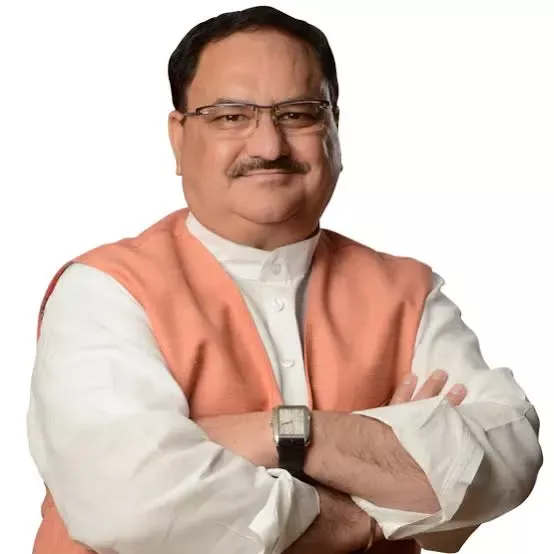
Chief Guest
Hon'ble Union Minister of Health & Family Welfare
Government of India
A single hall is a deliberate feature — every delegate hears every session.
Institutional Partners
In association with — Organising Bodies
Institutional & Regulatory Alliances
Ministry of Health & Family Welfare
Government of India
Indian Chest Society
Respiratory Medicine Research & Education

Ministry of Ayush
Upgrade traditional medical infrastructure, educational standards & research
Sathyabama Institute of Science & Technology
Deemed University, Chennai
Tamilnadu Alliance for Development of Community Medicine
TADCOM
Pulmonology Rehabilitation Society
PRS
%20.jpg-DhqqrMFH.webp)
Indian Public Health Association
IPHA
Ministry of Health & Family Welfare
Government of India
Indian Chest Society
Respiratory Medicine Research & Education
Ministry of Ayush
Upgrade traditional medical infrastructure, educational standards & research
Sathyabama Institute of Science & Technology
Deemed University, Chennai
Tamilnadu Alliance for Development of Community Medicine
TADCOM
Pulmonology Rehabilitation Society
PRS
Indian Public Health Association
IPHA
#PRANA2026
Follow the build-up to the Chennai Declaration. Share the programme with colleagues, State health departments, and professional societies.